
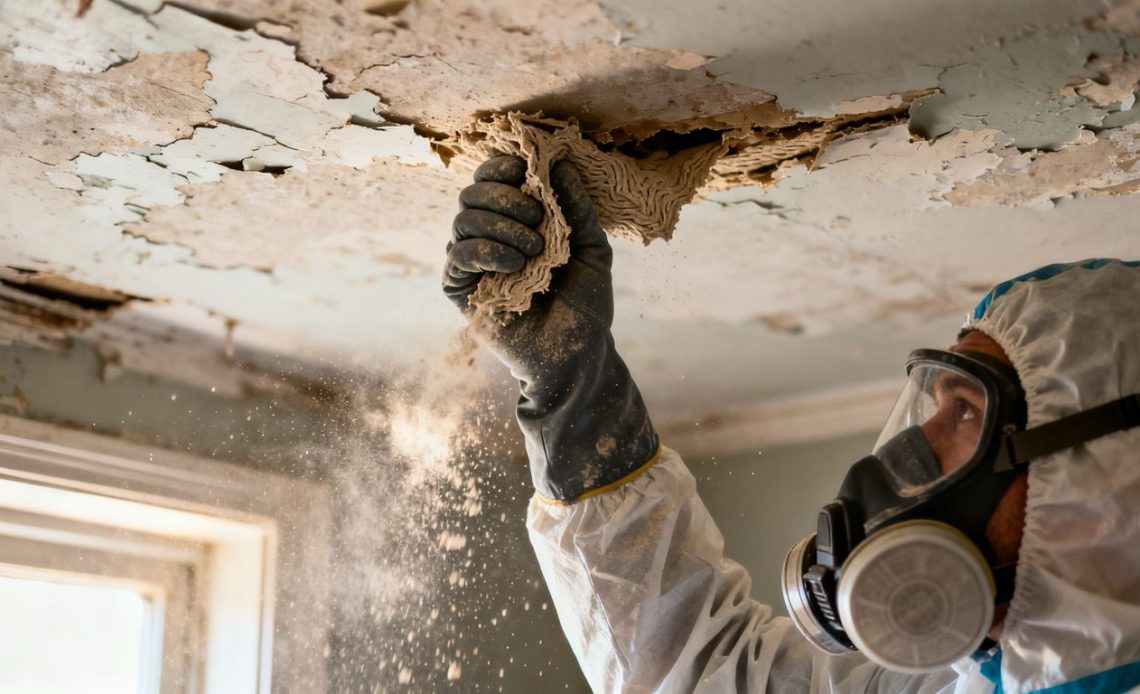
Many older homes, particularly those constructed before the 1980s, may contain asbestos. This mineral was widely used in building materials for its beneficial properties, such as resistance to heat and fire, and its durability. However, when these materials are disturbed, microscopic fibers can be released into the air. Inhaling these fibers can lead to serious health problems over time.
What Is Asbestos And Its Common Uses
Asbestos is a naturally occurring group of fibrous minerals. Its unique characteristics made it a popular additive in a wide range of building products for decades. Because it’s so resistant to heat and corrosion, and because it acts as an insulator, it was added to many things.
Common places asbestos might be found include:
- Insulation: Around pipes, boilers, and in attics.
- Building materials: In cement sheets, roofing shingles, and siding.
- Interior finishes: In textured paints, popcorn ceilings, vinyl floor tiles, and drywall joint compounds.
- Other products: Such as older appliance components and gaskets.
Identifying Potential Asbestos-Containing Materials
Visually identifying asbestos can be challenging because the fibers are microscopic and often mixed within other materials. A general guideline is that homes built before the 1980s are more likely to contain asbestos-containing materials. If your home has materials like popcorn ceilings, vinyl flooring, or certain types of insulation, it’s wise to be cautious.
Look for:
- Materials that are old and show signs of wear or damage.
- Textured paints or coatings on walls and ceilings.
- Certain types of insulation, especially vermiculite in attics.
- Vinyl floor tiles and their adhesive backing.
It is important to remember that a definitive identification requires professional testing.
Health Risks Associated With Asbestos Exposure
When asbestos-containing materials are disturbed, such as during renovation or demolition, tiny asbestos fibers can become airborne. If these fibers are inhaled, they can become lodged in the lungs and other organs. Over many years, this can lead to serious health conditions.
These conditions include:
- Asbestosis: A chronic lung disease that causes scarring of lung tissue.
- Mesothelioma: A rare but aggressive cancer that affects the lining of the lungs, abdomen, or heart.
- Lung Cancer: The risk of developing lung cancer is significantly increased in individuals exposed to asbestos, especially those who also smoke.
Assessing Asbestos Presence In Your Residence
When To Suspect Asbestos In Your Home
Many older homes, particularly those built before the 1990s, may contain asbestos. This material was widely used for its insulating and fire-resistant properties. If your residence falls into this age bracket, it’s wise to consider the possibility of asbestos. Common culprits include textured “popcorn” ceilings, vinyl floor tiles, and insulation around older pipes or heating systems. Even if materials appear intact, their age alone warrants a closer look. The presence of certain building materials in homes constructed before the 1980s is a strong indicator that asbestos might be present.
The Importance Of Professional Testing
Visually identifying asbestos is unreliable, as the fibers are microscopic and often mixed within other materials. Attempting to collect samples yourself is not recommended due to the risk of disturbing the material and releasing fibers into the air. The safest and most accurate way to determine if asbestos is present is to engage a qualified professional. They possess the knowledge and equipment to safely collect samples and send them to an accredited laboratory for analysis. The U.S. Environmental Protection Agency strongly advises hiring a professional for this reason [8fe2].
Understanding Test Results And Next Steps
Once testing is complete, you will receive a report detailing the findings. If asbestos is detected, the report will also indicate its condition. Intact and undisturbed asbestos-containing materials generally pose little risk. However, if the material is damaged, crumbling, or likely to be disturbed by future renovations or activities, it requires attention. Depending on the situation, professionals might recommend leaving the material in place if it’s stable, or suggest methods like encapsulation or enclosure to manage the risk. For significant damage or planned renovations, professional abatement may be necessary. It is always best to consult with your testing professional about the most appropriate course of action for your specific situation [fbb7].
Safe Practices For Mitigating Asbestos
When dealing with potential asbestos in your home, the primary goal is to avoid disturbing it. Undisturbed asbestos-containing materials (ACMs) in good condition generally pose little to no risk. The danger arises when these materials are damaged, broken, or disturbed, releasing microscopic fibers into the air that can be inhaled. Therefore, the safest practice is often to leave asbestos alone if it is not showing signs of deterioration.
However, if you suspect asbestos or if materials are showing wear, it’s time to consider mitigation. There are two main approaches: encapsulation and removal. Encapsulation involves sealing the asbestos-containing material, often with a specialized coating, to prevent fiber release. This can be a less invasive and less costly option than full removal, but it requires ongoing monitoring to ensure the sealant remains intact. Removal, on the other hand, is a more definitive solution but is also more complex and expensive. It is typically recommended when asbestos is significantly damaged, is in an area prone to disturbance, or when renovations will inevitably disrupt the material.
It is critically important to understand the dangers of attempting DIY asbestos abatement. The process requires specialized knowledge, equipment, and strict safety protocols to prevent fiber release. Without these, homeowners can inadvertently expose themselves, their families, and even neighbors to hazardous asbestos fibers. This can lead to serious long-term health issues, including asbestosis and mesothelioma. For these reasons, it is strongly advised to consult with professionals for any asbestos mitigation work. You can find resources on safe asbestos abatement strategies for older homes here.
Key practices to consider include:
- Assess the material: Determine if the material is likely to contain asbestos and if it is in good condition.
- Avoid disturbance: Do not cut, sand, scrape, drill, or otherwise damage suspected ACMs.
- Containment: If disturbance is unavoidable or if the material is damaged, professional containment is necessary.
- Professional consultation: Always seek advice from qualified asbestos professionals before undertaking any mitigation activities.
Professional Asbestos Abatement Process
Selecting A Qualified Asbestos Abatement Contractor
Choosing the right company to handle asbestos removal is a big deal. A mistake here could really affect your health and the health of your family. It’s smart to look into local companies carefully and check their credentials. Here are some good practices:
- Know the rules: Understand the local, state, and federal laws about asbestos removal.
- Separate testing and removal: If you hire an inspector, pick one who doesn’t also do the removal work. This avoids any conflicts.
- Check training and licenses: Ask for proof that the company and each worker have completed the required training and are properly accredited.
- Get it in writing: Sign a contract that clearly states the work plan, cleanup steps, and all applicable laws.
What To Expect During Professional Removal
When professionals tackle asbestos, they have a clear process. First, they set up a containment area using plastic sheeting to seal off the work zone. This is super important to stop asbestos fibers from spreading. They use special equipment to keep the air pressure inside the containment area lower than the outside, so any loose fibers get pulled into the system, not out into your home. The entire area is treated like a controlled zone.
During the actual removal, workers will wear protective gear, like suits and respirators. They often use wet methods to keep dust down. The asbestos-containing materials are carefully removed and placed into thick, double plastic bags. After the bulk of the material is gone, they use special vacuums with HEPA filters to clean up any remaining dust. They might also wipe down surfaces. Air scrubbers are used to clean the air within the containment.
Ensuring Safety During Abatement Procedures
Safety is the top priority throughout the entire process. After the removal and initial cleanup, a thorough visual inspection is done to make sure no visible asbestos dust or debris is left. Then comes a critical step: air quality testing. Samples are taken and sent to a lab to confirm that the asbestos fiber levels in the air are below the strict limits set by regulatory agencies. Only when these tests show the air is clean is the area declared safe to reoccupy. This testing is the final verification that the abatement was successful and your home is safe again. Proper disposal of all removed materials at certified facilities is also a key part of the safety protocol.
Regulatory Guidelines For Asbestos Management
Federal Regulations Impacting Homeowners
Federal regulations play a significant role in managing asbestos in residential properties. While the use of asbestos in construction materials has been greatly reduced over the years, it has not been entirely banned. The Environmental Protection Agency (EPA) sets standards, such as the National Emission Standards for Hazardous Air Pollutants (NESHAP), which apply to many home renovation projects. These rules help control asbestos emissions and manage asbestos waste. Understanding these federal guidelines is key for homeowners undertaking any work that might disturb asbestos-containing materials. The EPA also has specific rules, like the Asbestos Worker Protection Rule, which aims to protect workers who might encounter asbestos [a4be].
Understanding Local Asbestos Disposal Rules
Beyond federal mandates, local regulations dictate how asbestos waste must be handled and disposed of. These rules can vary significantly by city and state. Improper disposal can lead to fines and, more importantly, pose risks to public health and the environment. Homeowners must be aware of their local requirements for packaging, transporting, and disposing of asbestos-containing materials. This often involves using certified disposal facilities. Failing to follow these local rules can have serious consequences, so it is important to research them thoroughly before any abatement work begins.
The Role Of EPA Standards In Home Projects
The EPA’s standards provide a framework for safe practices when asbestos might be present. For instance, NESHAP regulations cover aspects of renovation and demolition projects that could release asbestos fibers into the air. These standards often influence how professionals conduct asbestos testing and abatement. They also set requirements for waste disposal, aiming to prevent the spread of asbestos. Homeowners should consult EPA resources or local authorities to understand how these standards apply to their specific situation, especially when planning renovations or repairs on older homes [6134].
Preventative Measures And Ongoing Vigilance
After addressing any existing asbestos concerns, maintaining a safe home environment requires ongoing attention. This involves regular checks and a mindful approach to potential disturbances. Vigilance is key to preventing future exposure risks.
Regular Inspections For Potential Hazards
Periodically examining your home, especially areas that might have been disturbed or show signs of wear, is a good practice. Look for any changes in materials that could potentially contain asbestos. This is particularly important if you live in an older home where asbestos materials were commonly used. If you notice any damage, such as cracks or crumbling, to materials like insulation, ceiling tiles, or flooring, it warrants closer inspection. It’s always best to err on the side of caution when dealing with materials that might be asbestos-containing. For homeowners planning renovations or repairs, a pre-work inspection is highly recommended to identify any potential asbestos hazards before work begins. This proactive step can save a lot of trouble down the line and is a smart part of home renovation planning.
Proactive Steps To Avoid Disturbing Materials
Once asbestos is identified, or if you suspect its presence, the best course of action is often to leave it undisturbed. Avoid any activity that could break apart or release fibers into the air. This includes:
- Do not saw, sand, scrape, or drill into suspect materials.
- Refrain from sweeping or vacuuming debris that might contain asbestos fibers.
- Avoid cleaning or disturbing materials that appear damaged.
If materials are in good condition and unlikely to be disturbed, they generally pose little risk. However, if they are damaged or located where they might be frequently bumped or handled, professional assessment and management are advised.
Resources For Homeowner Education
Staying informed about asbestos is an ongoing process. Various resources can help homeowners understand the risks and proper management techniques. Local health departments and environmental agencies often provide informational websites and guidance materials. Engaging with online forums or community groups focused on home safety can also offer practical advice and shared experiences. Understanding the regulations and best practices is vital for maintaining a healthy living space. For those seeking more in-depth knowledge, consulting with qualified asbestos professionals can provide tailored advice for your specific situation.