
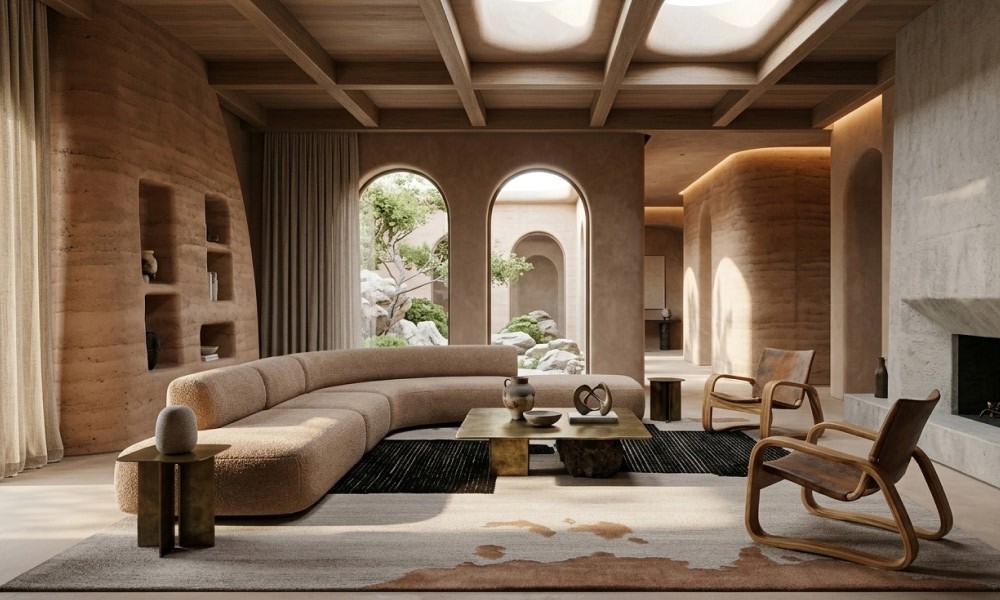
Designing interior spaces is no longer limited to aesthetics or furniture placement. In Leicester, where urban living often combines compact homes with busy lifestyles, interior layouts are increasingly being viewed through a health-focused lens.
One emerging concept is walking geometry, the intentional shaping of indoor pathways to encourage movement, improve blood circulation, and support everyday wellbeing.
Understanding Walking Geometry in Interior Design
Walking geometry refers to how movement paths are formed within a home or building. Instead of straight, minimal routes designed only for efficiency, these pathways are shaped to promote gentle, repeated walking.
In Leicester homes, where long work hours and colder months can limit outdoor activity, indoor movement becomes especially valuable. Well-planned pathways subtly encourage residents to stay active without conscious effort.
Key principles include:
- Curved or looped walking routes
- Clear, unobstructed floor transitions
- Spatial flow that invites movement rather than restricts it
Why Circulation Benefits From Indoor Movement
Healthy blood circulation relies on regular muscle engagement, particularly in the lower body. Prolonged sitting, common in modern Leicester households, can slow circulation and contribute to stiffness or fatigue.
Indoor walking pathways help by:
- Activating leg muscles that assist venous blood flow
- Reducing prolonged sedentary periods
- Supporting joint mobility and balance
Even short, frequent walks between rooms can make a meaningful difference when built into daily routines.
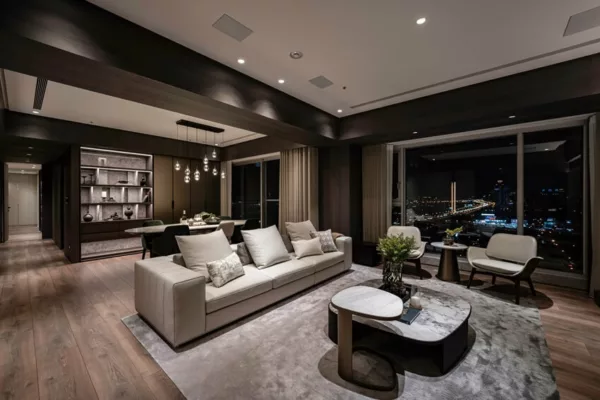
Designing Pathways That Encourage Movement
Effective walking geometry is subtle. It does not feel like exercise equipment embedded in a home, but rather a natural flow between spaces.
In Leicester properties, designers often focus on:
- Looped layouts: Connecting living rooms, kitchens, and hallways in a continuous circuit
- Extended transitions: Slightly lengthened routes between frequently used rooms
- Visual continuity: Flooring patterns that guide the eye and body forward
These features encourage residents to walk more steps throughout the day without disruption.
Flooring Choices and Their Impact
The surface beneath the feet plays a crucial role in movement comfort. In Leicester’s varied housing stock, from Victorian terraces to modern flats, flooring can either encourage or discourage walking.
Supportive flooring characteristics include:
- Moderate cushioning to reduce joint impact
- Slip-resistant finishes for safety
- Consistent surface levels to prevent hesitation or imbalance
When walking feels physically comfortable, people naturally move more often and with greater confidence.
Lighting and Spatial Cues
Lighting works hand in hand with walking geometry. Well-lit pathways feel safer and more inviting, especially during Leicester’s shorter winter days.
Effective lighting strategies include:
- Soft, continuous lighting along corridors
- Natural light alignment where possible
- Avoidance of harsh contrasts that disrupt movement
Visual cues such as artwork placement or gentle curves in walls can also draw residents along pathways, reinforcing circulation-friendly movement.
Psychological Comfort and Movement
Movement is influenced not only by physical design but also by mental comfort. In Leicester homes, cluttered or cramped spaces can discourage walking, even when pathways technically exist.
Walking geometry supports psychological ease by:
- Creating predictable, open routes
- Reducing visual congestion
- Encouraging relaxed, unhurried movement
This sense of ease helps residents move more frequently and with less stress, further supporting circulation.
Adapting Walking Geometry for Different Leicester Households
Not every Leicester home has ample space, but walking geometry can be adapted across property types.
Examples include:
- Apartments using circular furniture layouts
- Terraced houses extending hallway flow into living areas
- Family homes creating indoor walking loops around shared spaces
The goal is not distance but repetition, frequent, comfortable movement integrated into daily life.
Key Takeaway
Walking geometry transforms indoor spaces into subtle wellness tools. In Leicester, where indoor living often dominates daily routines, thoughtfully designed pathways offer a practical way to support circulation without structured exercise.
By shaping how people move through their homes, interior design becomes an active partner in health, quietly encouraging movement, comfort, and long-term wellbeing through everyday steps.