
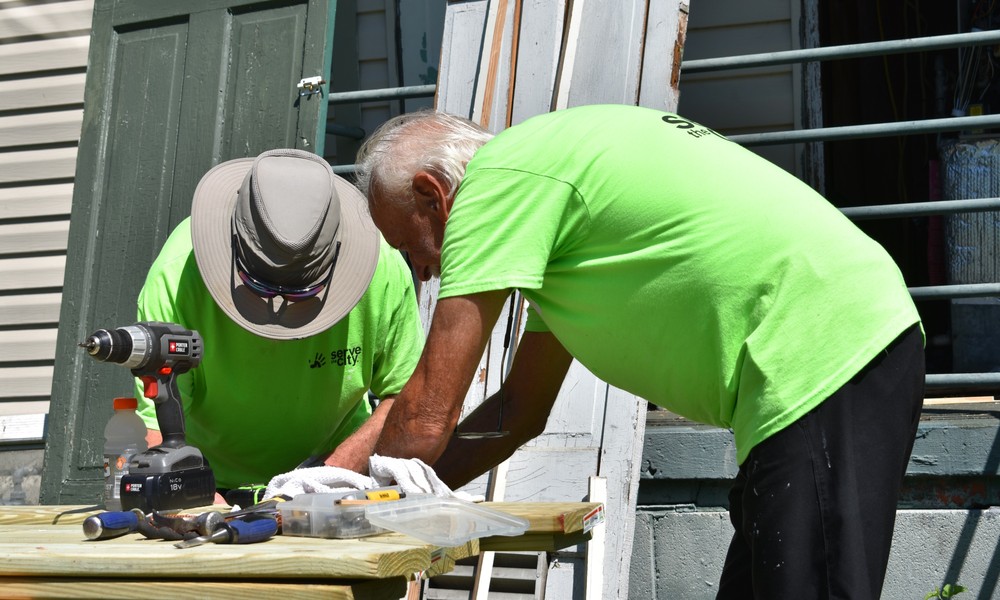
Living or working amid ongoing repairs is more than a test of patience. In Rutland, where property maintenance, heritage upgrades, and seasonal renovations are common, persistent construction activity can quietly influence how well people think, focus, and make decisions. This effect, often described as “neuro-noise”, refers to the mental load created by unpredictable sound, vibration, and visual disruption.
Understanding Neuro-Noise in Everyday Settings
Neuro-noise is not simply a loud sound. It is the constant demand placed on the brain to filter interruptions. In Rutland homes, offices, and schools near repair sites, this may include drilling, hammering, scaffolding movement, and intermittent machinery.
Unlike steady background noise, repair-related sound is irregular. The brain cannot easily adapt to it, which leads to repeated attention shifts. Over time, this ongoing alertness reduces the mental resources available for higher-level thinking.
Cognitive Functions Most Affected by Ongoing Repairs
Residents and workers in Rutland experiencing long repair schedules often report changes in how efficiently they function. Key areas of impact include:
- Sustained attention: Frequent noise spikes interrupt deep focus, making it harder to complete complex tasks without restarting.
- Working memory: Holding and manipulating information becomes more difficult when the brain is repeatedly diverted by sudden sounds.
- Decision-making speed: Mental fatigue can slow judgement, particularly during tasks that require careful evaluation.
- Error rates: Distraction increases the likelihood of small mistakes, which can accumulate in professional or academic settings.
These effects are subtle but cumulative, especially when repairs extend over weeks rather than days.
Why Rutland’s Built Environment Intensifies the Effect
Rutland’s mix of older buildings and compact town layouts can amplify neuro-noise. Many properties share walls or are positioned close to pavements where maintenance vehicles and equipment operate.
Contributing local factors include:
- Hard surfaces: Stone and brick reflect sound more than softer materials, prolonging noise exposure.
- Narrow streets: Equipment and delivery vehicles operate closer to living and working spaces.
- Phased restoration projects: Heritage preservation often requires repeated short-term interventions rather than one continuous build.
This pattern means residents may experience recurring bursts of disruption instead of a single, predictable repair period.
Psychological Strain and Cognitive Drain
Beyond sound, the visible presence of repairs, dust barriers, scaffolding, restricted access, also contributes to mental load. The brain processes these as environmental instability, which can subtly increase stress levels.
In Rutland, where many people work from home or operate small local businesses, this strain may present as:
- Reduced motivation during repair-heavy periods
- Difficulty transitioning between tasks
- Increased irritability, which further impairs concentration
Stress hormones, even at low levels, interfere with memory formation and attention control, linking emotional strain directly to cognitive performance.
Practical Ways to Protect Mental Performance During Repairs
While residents may not control construction schedules, they can reduce cognitive impact with targeted strategies:
- Time-block demanding tasks: Schedule focused work during quieter windows, often early morning or late afternoon in Rutland repair zones.
- Use sound masking: Low, consistent background noise can reduce the disruptive effect of sudden sounds.
- Rearrange work locations: Moving to rooms furthest from street-facing walls can significantly reduce acoustic intrusion.
- Plan mental breaks: Short walks in quieter parts of Rutland help reset attention and reduce stress accumulation.
Final Words: Looking Beyond Convenience to Cognitive Health
Ongoing repairs are essential to keeping Rutland’s buildings safe and functional, yet their cognitive cost is rarely acknowledged. Neuro-noise is not a sign of poor resilience; it is a predictable response to environmental instability.
Recognising the mental effects of repair-related disruption encourages better personal planning and, at a community level, supports more considerate scheduling and communication. When cognitive performance is treated as part of public well-being, repair projects can move forward without quietly eroding the mental energy of those living and working nearby.