
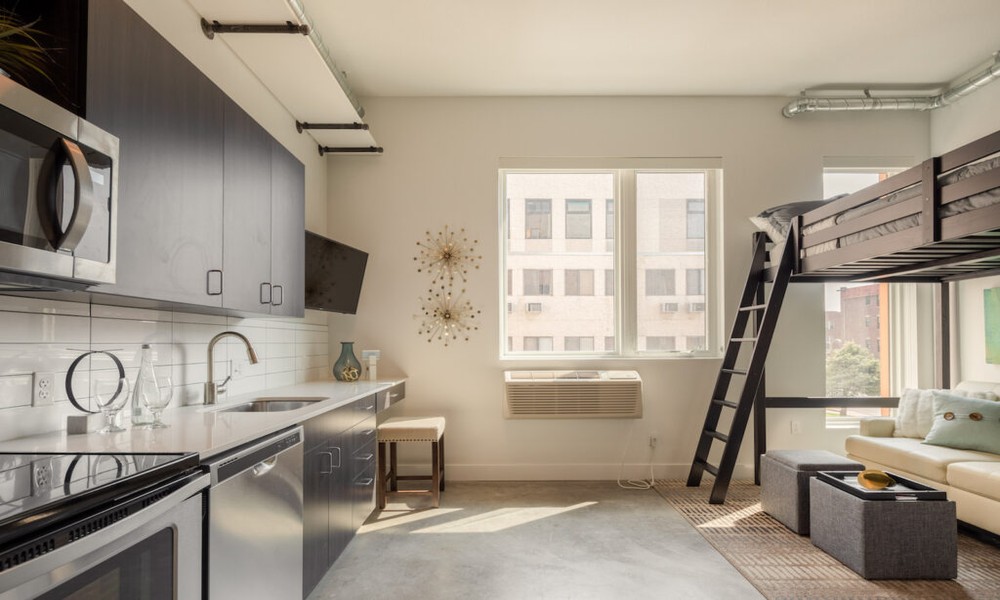
As housing density increases across Dorset, micro-apartments have become a practical response to rising property costs and limited urban space. While compact living offers efficiency and sustainability, it also presents challenges related to comfort, mental wellbeing, and daily functionality.
Thoughtful zoning within micro-apartments allows residents to create “wellness pockets”; small, intentional areas designed to support physical health, emotional balance, and everyday routines, even within minimal square footage.
Understanding Micro-Apartment Zoning
Micro-apartment zoning refers to the strategic division of a small living space into distinct functional areas without relying on permanent walls. In Dorset’s coastal towns and historic urban centres, where apartments are often compact by necessity, zoning helps residents experience structure and calm rather than clutter and confinement.
Effective zoning prioritises:
- Clear visual separation between activities
- Efficient circulation and movement
- Multi-purpose use of limited space
- Psychological comfort alongside practicality
The Concept of Wellness Pockets
Wellness pockets are small areas within the home dedicated to supporting wellbeing. In Dorset micro-apartments, these pockets respond to modern lifestyle pressures, remote working habits, and the need for personal retreat in shared or dense housing environments.
Wellness pockets may include:
- A quiet reading corner
- A compact workspace with ergonomic support
- A calming sleep zone
- A mindful eating or tea-preparation area
Zoning Strategies for Dorset Micro-Apartments
Designing wellness pockets requires careful consideration of layout, light, and sensory experience. In Dorset, where natural light and coastal influences are valuable assets, zoning often works best when aligned with environmental features.
Key zoning strategies include:
- Furniture placement: Using sofas, shelving units, or folding screens to define areas without blocking light.
- Flooring variation: Subtle changes in flooring texture or tone to indicate different zones, such as sleeping versus living areas.
- Lighting layers: Task lighting for work zones, softer lighting for rest areas, and adjustable fixtures for flexibility.
- Vertical zoning: Utilising wall-mounted storage or raised platforms to free floor space while defining function.
Creating a Restorative Sleep Zone
Sleep quality is often compromised in small homes where activities overlap. In Dorset micro-apartments, zoning the sleep area is essential for restorative rest.
Effective sleep zoning includes:
- Positioning the bed away from entry points and kitchens
- Using curtains, sliding panels, or tall furniture for visual separation
- Selecting calming colours and low-sheen finishes
- Minimising visual clutter around the bed
Designing a Calm Work and Focus Pocket
With more Dorset residents working remotely, a dedicated work pocket has become a wellness necessity rather than a luxury. Proper zoning prevents work from overtaking the entire living space.
A healthy work pocket should feature:
- A compact desk with correct height and posture support
- Adequate natural or task lighting
- Storage to keep work materials contained
- Visual boundaries that allow work to “end” after hours
Sensory Comfort in Small Zones
Wellness pockets rely heavily on sensory cues. In Dorset micro-apartments, where proximity to the sea and countryside influences lifestyle expectations, interior zoning should reflect calm and connection.
Sensory considerations include:
- Soft textures such as rugs, cushions, and upholstered panels
- Acoustic control using curtains, wall hangings, or bookshelves
- Natural materials that echo Dorset’s landscape
- Controlled airflow and temperature within each zone
The Long-Term Value of Wellness Zoning
Wellness zoning is not solely about aesthetics; it supports sustainable living and long-term comfort. In Dorset’s evolving housing market, micro-apartments that prioritise wellbeing are more adaptable to changing life stages and daily demands.
By creating intentional wellness pockets, residents can:
Takeaway
Micro-apartment living in Dorset does not require sacrificing well-being. Through thoughtful zoning and the creation of wellness pockets, tiny homes can offer comfort, clarity, and emotional balance. By assigning purpose, respecting sensory needs, and embracing flexible design, micro-apartments become not just efficient dwellings but supportive environments that enhance daily life.