
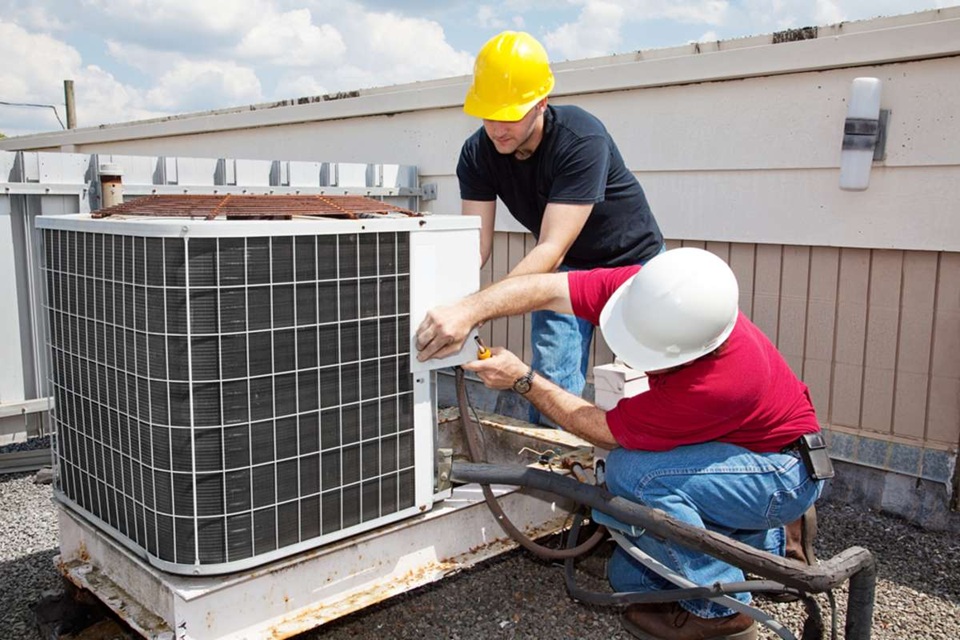
Investing in professional property maintenance services delivers measurable returns for commercial property owners in Singapore, where building performance directly influences tenant satisfaction, occupancy rates, and asset valuation. Commercial buildings are revenue-generating assets, and like any asset, their value depends on the quality of care they receive throughout their operational life.
Protecting and Enhancing Asset Value
A commercial property’s market value is not determined solely by its location, floor area, or original construction quality. The condition of the building – its structure, systems, finishes, and overall presentation – plays a significant role in how valuers, prospective tenants, and potential buyers assess its worth.
Buildings that receive consistent, professional maintenance retain their value more effectively than those managed reactively. Regular repainting, facade upkeep, and common area refurbishment signal to the market that the building is well cared for. Conversely, visible deterioration – stained ceilings, cracked walls, malfunctioning lifts – depresses valuations and makes lease negotiations more difficult.
Building upkeep services that address both the visible and hidden elements of a property create a compound effect over time. While a freshly painted lobby makes an immediate impression, the real value lies in the maintained waterproofing, sound structural concrete, and efficiently operating mechanical systems that prevent costly failures behind the scenes.
Reducing Long-Term Operating Costs
The financial case for preventive maintenance in commercial properties is well established. Emergency repairs cost more than planned interventions – often significantly more. A roof leak detected and repaired during a routine inspection costs a fraction of the remediation required when the same leak goes unnoticed for months, damaging ceiling tiles, electrical fittings, and tenant fit-outs below.
Consider the following cost comparisons:
- Planned waterproofing renewal versus emergency leak repair and tenant compensation for damaged goods
- Scheduled lift servicing versus emergency call-outs, extended downtime, and regulatory penalties
- Routine facade maintenance versus mandatory remediation following a failed BCA inspection
- Periodic repainting versus full surface preparation after years of coating failure and substrate deterioration
Mr William Lau, who manages a portfolio of commercial properties along Shenton Way, quantifies the difference. “Over a ten-year period, our properties that follow a strict preventive maintenance programme spend roughly thirty per cent less on total maintenance costs compared to those we acquired mid-cycle with deferred maintenance backlogs,” he observes. “The savings compound because well-maintained systems fail less often and last longer.”
Improving Tenant Satisfaction and Retention
In Singapore’s competitive commercial leasing market, tenant retention is critically important. The cost of tenant turnover – vacant periods, marketing expenses, fit-out reinstatement, and lease negotiation – can amount to several months of rental income. Tenants who are satisfied with their building environment are far more likely to renew their leases.
Facility management directly influences tenant experience through:
Comfort
Properly maintained air conditioning, lighting, and ventilation create productive working environments
Reliability
Functioning lifts, consistent hot water, and uninterrupted electrical supply are baseline expectations that, when met, go unnoticed – but when unmet, generate complaints
Cleanliness
Well-maintained common areas, washrooms, and car parks reflect the standard of management
Safety
Properly maintained fire systems, emergency lighting, and structural elements protect tenants and their employees
Responsiveness
A maintenance team that addresses reported issues quickly and effectively builds trust with tenants
Ensuring Regulatory Compliance
Commercial buildings in Singapore must comply with a range of regulatory requirements that directly involve maintenance activities. Non-compliance can result in fines, enforcement notices, and reputational damage.
Key compliance areas include:
- Facade inspection – Buildings exceeding thirteen years of age must undergo periodic visual inspections of their external facades under BCA regulations
- Fire safety – Fire protection systems including sprinklers, alarms, and smoke control systems require regular inspection and certification
- Lift safety – Lifts must be inspected and certified at prescribed intervals by authorised examiners
- Electrical safety – Periodic inspection and testing of electrical installations is required to maintain the Electrical Installation Licence
- Environmental standards – Cooling towers must be regularly cleaned and treated to prevent Legionella contamination
Commercial property care providers who manage these compliance requirements systematically protect their clients from regulatory risk while maintaining complete documentation for audit purposes.
Supporting Sustainability Goals
Modern commercial tenants increasingly prioritise sustainability, and building maintenance plays a significant role in a property’s environmental performance. Well-maintained mechanical systems operate more efficiently, consuming less energy. Properly sealed building envelopes reduce cooling loads. Functioning drainage and water recycling systems conserve water resources.
Maintenance activities that contribute to sustainability include:
- Regular cleaning and servicing of air conditioning systems to maintain rated efficiency
- Replacement of conventional lighting with energy-efficient alternatives during maintenance cycles
- Monitoring and repairing compressed air leaks, steam leaks, and water leaks
- Maintaining building envelope integrity to minimise unwanted heat gain
Minimising Business Disruption
For commercial tenants, downtime translates directly into lost productivity and revenue. A burst pipe that floods an office floor, a lift breakdown that leaves upper-floor tenants stranded, or an air conditioning failure during a heatwave – each of these events disrupts business operations and damages the landlord-tenant relationship.
Preventive maintenance reduces the frequency and severity of such events. By identifying and addressing potential failures before they occur, a professional maintenance programme keeps building systems operating reliably and minimises unplanned disruptions.
The Strategic Advantage
Building maintenance is sometimes perceived as an operational burden – a necessary cost that offers no competitive advantage. This perception is mistaken. In a market where tenants have choices and valuers scrutinise building condition reports, the quality of maintenance directly influences a property’s competitive position.
Commercial property owners who engage experienced property maintenance services gain an advantage that accumulates over time. Their buildings cost less to operate, command higher rents, retain tenants more effectively, and maintain stronger asset values. For any commercial property owner in Singapore, professional property maintenance services are not simply a line item – they are a strategic investment in the long-term performance of their most significant asset.