
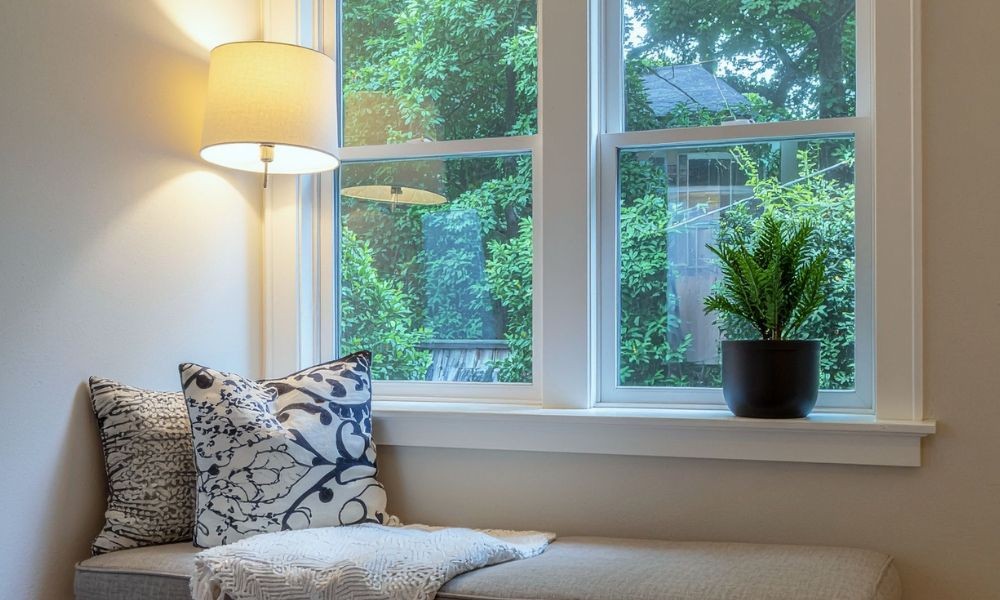
In residential and commercial spaces across Suffolk, windows are often celebrated for their ability to bring in daylight and connect interiors with the surrounding landscape. However, excessive or poorly managed window exposure can have unintended psychological effects. “Window panic” refers to the subtle yet persistent anxiety caused by unfiltered visual exposure, glare, and a lack of perceived privacy.
This phenomenon is increasingly relevant in modern Suffolk properties that prioritise large glazing areas without fully considering human comfort.
Understanding Window Panic
Window panic is not a clinical diagnosis but a descriptive term used to explain discomfort linked to constant visual openness. In Suffolk homes and workplaces, it often emerges where wide, uncovered windows face busy streets, neighbouring properties, or open fields without adequate visual control.
Key contributing factors include:
- Continuous exposure to external movement and activity
- Excessive brightness and glare during daylight hours
- Lack of visual boundaries between private and public spaces
- A feeling of being observed, even when no one is present
Psychological Impact of Unfiltered Exposure
Human beings naturally seek a balance between openness and refuge. In Suffolk’s coastal towns, market villages, and expanding residential developments, unfiltered windows can disrupt this balance.
Common psychological responses include:
- Heightened vigilance: Constant awareness of movement outside the window
- Reduced relaxation: Difficulty fully unwinding in living rooms or bedrooms
- Mental fatigue: Overstimulation from light and visual input
- Lower concentration: Distractions in home offices and workspaces
Architectural Trends and Local Context in Suffolk
Modern architectural trends in Suffolk often favour floor-to-ceiling windows to maximise natural light and views. While visually appealing, this approach can unintentionally ignore how occupants emotionally interact with their surroundings.
Local factors that influence window panic in Suffolk include:
- Expansive rural views that offer little visual containment
- Coastal light intensity, especially in east-facing properties
- New housing developments with reduced spacing between homes
- Conversion of older Suffolk buildings with large, modern glazing
Signs That a Space May Be Causing Window-Related Anxiety
Window panic often develops gradually. Occupants in Suffolk properties may not immediately associate their discomfort with window design.
Warning signs include:
- Regularly closing curtains during daylight hours
- Avoiding certain rooms despite adequate space and amenities
- Feeling exposed or uneasy when seated near windows
- Increased irritability or restlessness indoors
Recognising these patterns is the first step toward addressing the underlying environmental cause.
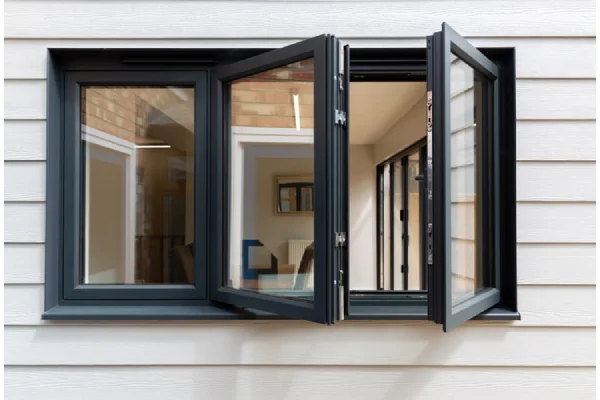
Design Strategies to Reduce Window Panic
Mitigating window panic does not require sacrificing natural light. Instead, it involves thoughtful layering and spatial awareness suited to Suffolk’s unique environment.
Effective strategies include:
- Layered window treatments: Sheer blinds combined with heavier curtains
- Textured or frosted glazing: Allows light while reducing direct visibility
- External screening: Use of hedges, trellises, or wooden slats common in Suffolk gardens
- Zoned layouts: Positioning seating away from direct window lines
- Glare control: Adjustable blinds to manage coastal and rural sunlight
These measures help create a sense of enclosure while maintaining brightness and connection to the outdoors.
The Role of Perceived Control
A critical factor in reducing window-related anxiety is giving occupants control over their environment. In Suffolk homes, the ability to easily adjust light levels and visibility supports emotional comfort.
Benefits of increased control include:
- Improved relaxation and sense of safety
- Better focus in work and study areas
- Enhanced enjoyment of natural light without overstimulation
Window panic highlights the importance of considering psychological comfort alongside visual aesthetics. In Suffolk, where light, landscape, and architecture strongly shape daily living, unfiltered exposure can quietly undermine wellbeing. By recognising the signs and implementing thoughtful design solutions, property owners and designers can create interiors that feel both open and secure. Balanced window design ensures that natural light enhances life in Suffolk homes rather than becoming a hidden source of anxiety.