
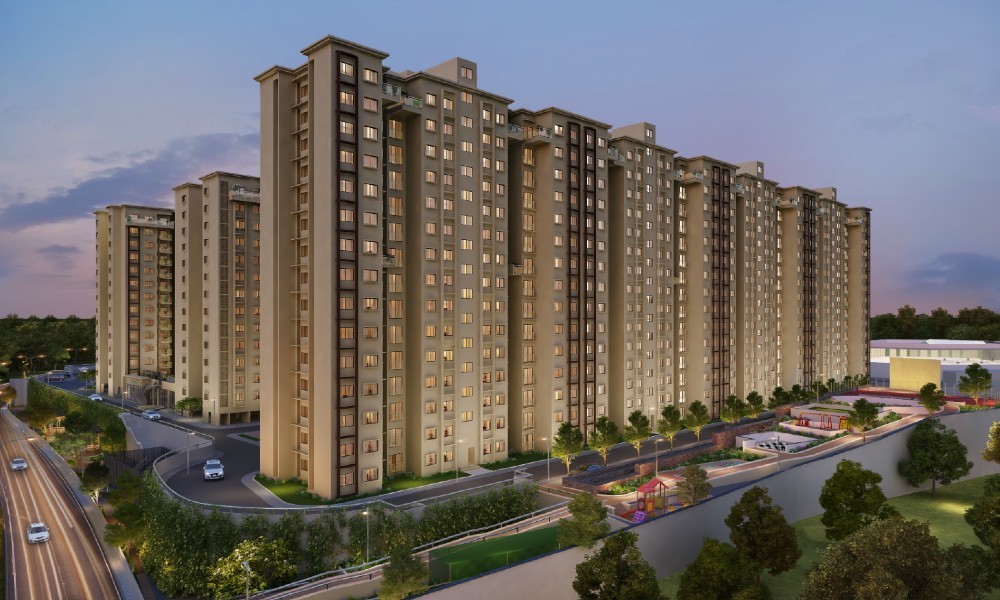
Living in multi-storey residential buildings has become increasingly common across Shropshire, particularly in towns where urban density and modern housing developments are reshaping skylines. While higher-floor living offers advantages such as improved views, reduced street noise, and enhanced security, it also raises important questions about respiratory health.
This article explores how residing above the fifth floor can influence lung health, with specific consideration of Shropshire’s environmental and architectural context.
Understanding Vertical Living in Shropshire
Shropshire combines historic market towns, semi-rural communities, and emerging residential developments. In areas such as Shrewsbury, Telford, and Oswestry, multi-storey apartment buildings are increasingly part of the housing mix. Living above the fifth floor typically means reduced direct contact with street-level conditions, but it also introduces a different set of air quality and ventilation dynamics.
Vertical health focuses on how elevation within a building affects physical well-being, particularly respiratory function, which is closely linked to air quality, airflow, and environmental exposure.
Air Quality Differences at Higher Levels
One of the most discussed factors in vertical living is air quality. In Shropshire, overall air pollution levels are lower than in major metropolitan areas, yet localised variations still exist.
Potential respiratory benefits of higher floors include:
- Reduced exposure to vehicle exhaust fumes, especially near busy roads in town centres
- Lower concentration of coarse particulate matter that settles closer to ground level
- Less frequent contact with pollen stirred up by pedestrian and traffic activity
Ventilation and Indoor Air Circulation
While outdoor air quality may improve with height, indoor air quality depends heavily on ventilation systems. In Shropshire’s newer residential developments, mechanical ventilation is increasingly common, particularly in energy-efficient buildings.
Key ventilation considerations include:
- Limited natural airflow if windows are sealed or rarely opened
- Dependence on well-maintained ventilation systems to prevent stale air buildup
- Risk of indoor pollutants, such as cleaning chemicals or cooking fumes, accumulating
Humidity, Temperature, and Lung Comfort
Higher floors often experience different thermal conditions compared to ground-level dwellings. In Shropshire’s temperate climate, these differences are subtle but still relevant.
Respiratory impacts linked to indoor climate include:
- Dry air at higher elevations, which may irritate airways
- Temperature fluctuations that can aggravate breathing sensitivity
- Increased reliance on heating systems during colder months, affecting air moisture
Physical Activity and Stair Exposure
Living above the fifth floor can indirectly influence lung health through daily physical activity. Although lifts are common, stair use remains part of everyday movement, especially during power outages or short trips.
Potential lung-supportive effects include:
- Improved cardiovascular and respiratory fitness from regular stair climbing
- Enhanced lung capacity through mild, consistent exertion
- Reduced sedentary behaviour compared to ground-floor living
Social and Psychological Factors
Respiratory health is not solely physical. Stress and emotional well-being can influence breathing patterns and lung function. Higher-floor living often provides greater visual connection to Shropshire’s landscapes, including rolling hills and open skies.
Positive psychological influences include:
- Reduced noise-related stress, supporting calmer breathing
- Increased daylight exposure, encouraging regular sleep patterns
- A sense of separation from street-level congestion
These factors can indirectly contribute to healthier respiratory rhythms and overall well-being.
Considerations for Vulnerable Groups
For children, older adults, and individuals with respiratory conditions, living above the fifth floor requires thoughtful planning.
Recommended considerations include:
- Ensuring effective ventilation and regular air filter maintenance
- Monitoring indoor humidity levels year-round
- Choosing buildings with accessible outdoor spaces or balconies
Final Statement
Living above the fifth floor in Shropshire presents a nuanced relationship with lung health. While reduced exposure to ground-level pollutants and increased physical activity can support respiratory well-being, indoor air quality and building design play a decisive role.
By prioritising ventilation, climate control, and thoughtful daily habits, higher-floor residents across Shropshire can enjoy the benefits of vertical living without compromising lung health.