
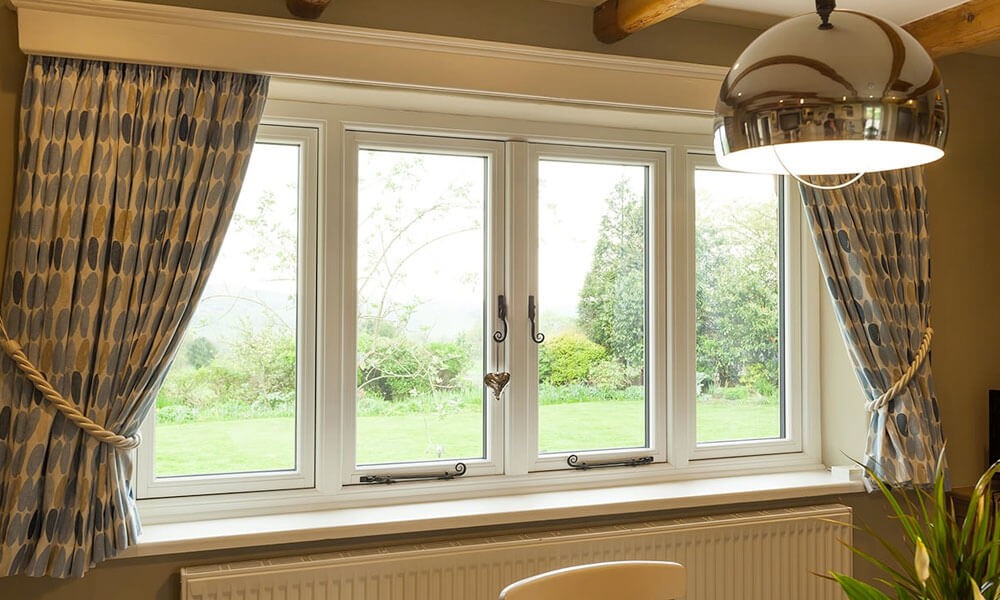
Windows play a decisive role in shaping how a room feels, not only in temperature but also in emotional comfort. In Surrey homes, where seasonal changes range from cool, damp winters to increasingly warm summers, window selection can subtly influence daily mood, concentration, and relaxation.
The way glass, frames, and orientation interact with heat and light creates what can be described as a room’s “thermal temperament.”
Understanding Thermal Mood in Interior Spaces
Thermal mood refers to the emotional and physiological response people have to the temperature patterns within a room. In Surrey properties, older housing stock often experiences uneven heat distribution, making window performance especially important.
Key influences include:
- Heat gain during daylight hours
- Heat loss during evenings and colder months
- Surface temperature of glass and frames
- Draft perception near window zones
Single-Glazed Windows and Emotional Discomfort
Many period homes across Surrey villages and town centres still retain single-glazed windows. While visually appealing, these windows tend to amplify thermal extremes.
Common effects include:
- Cold radiation near windows, creating subconscious tension
- Increased reliance on heating systems, leading to dry air
- Noticeable temperature drops after sunset
Occupants often report restlessness, reduced focus, and a tendency to avoid window-adjacent seating areas, altering how rooms are naturally used.
Double Glazing and Thermal Stability
Double-glazed windows have become standard across modern Surrey developments due to their insulating properties. By trapping air or gas between panes, they regulate indoor temperature more effectively.
Benefits to room temperament include:
- Reduced cold spots and draught perception
- More consistent room temperatures throughout the day
- Improved comfort near windows during winter
This stability supports calmer environments, particularly in living rooms and bedrooms where emotional relaxation is essential.
Triple Glazing and Sensory Calm
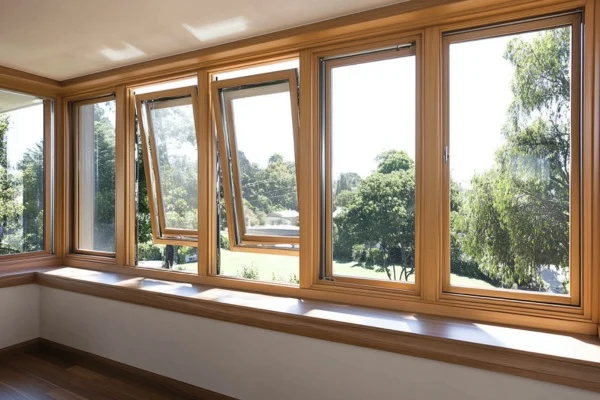
In Surrey’s quieter residential zones and countryside properties, triple glazing is increasingly used to enhance insulation and acoustic comfort.
Thermal advantages include:
- Minimal heat loss even during prolonged cold spells
- Warmer internal glass surfaces that reduce radiant chill
- Enhanced sense of enclosure and safety
Rooms fitted with triple-glazed windows often feel cocooned and emotionally grounding, supporting rest, focus, and longer periods of comfort without temperature-related distraction.
Window Orientation and Mood Shifts
The direction a window faces significantly alters thermal mood, particularly in Surrey’s mixed urban and rural landscape.
- South-facing windows introduce warmth and brightness but may cause overheating in summer if untreated
- North-facing windows remain cooler, promoting calm but sometimes feeling subdued
- East-facing windows offer gentle morning warmth that supports alertness
- West-facing windows can create late-day heat build-up, influencing evening restlessness
Matching glazing type to orientation helps balance emotional and thermal responses throughout the day.
Frame Materials and Temperature Perception
Beyond glass, window frame materials also affect how a room feels.
- uPVC frames provide consistent insulation and low thermal transfer
- Timber frames, common in Surrey heritage homes, offer warmth but require maintenance
- Aluminium frames may feel cooler without thermal breaks
Frame temperature subtly influences perceived comfort, particularly when seated near windows.
Psychological Impact of Thermal Consistency
In Surrey households, rooms with stable thermal conditions are often described as calmer and more welcoming. Sudden temperature changes, cold downdrafts, or excessive solar heat can elevate stress without occupants consciously identifying the cause.
Consistent window performance supports:
These benefits highlight the connection between building design and emotional well-being.
Conclusion: Windows as Emotional Regulators in Surrey Homes
Window choice is more than a practical or aesthetic decision; it is a contributor to emotional comfort. In Surrey’s varied climate and architectural landscape, selecting the right window type helps stabilise indoor temperatures and foster positive room temperament.
By understanding how glazing, orientation, and materials interact, homeowners can create spaces that feel balanced, calm, and naturally supportive throughout the year.