
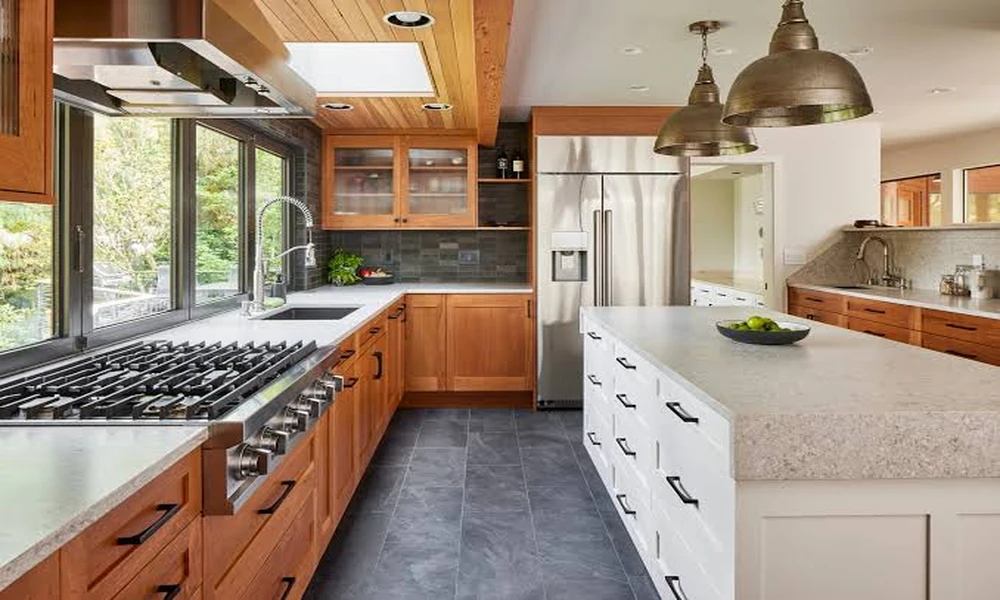
Dreaming of a kitchen that finally matches your lifestyle and taste? Renovating the heart of your home can be exhilarating, but the path from Pinterest boards to reality is filled with choices, compromises, and, sometimes, surprises. The key to a truly seamless kitchen renovation lies in balancing aesthetics, functionality, and smart planning, especially in modern homes where open spaces and clean lines can amplify both beauty and mistakes.
Common Challenges in Kitchen Renovations for Modern Homes
Every homeowner embarks on a renovation imagining a smooth, linear process. In reality, each project comes with its own set of hurdles.
Navigating Space Limitations and Layout Constraints
Modern homes often prioritize open-concept layouts, but this can mean limited wall space for cabinetry or awkward nooks that challenge standard design solutions. Achieving good flow between cooking, dining, and living areas demands creative planning.
Balancing Aesthetics with Practicality
Sleek finishes may look stunning in photos, but are they easy to clean during a weeknight dinner rush? Striking the right compromise between showstopping visuals and everyday function is essential, since your kitchen needs to work hard and look good, often simultaneously.
Managing Budget Expectations and Hidden Costs
Budgets are rarely as generous as our imaginations. Renovations frequently unearth surprises behind walls or under floors. Setting aside a contingency fund (typically 10-20% of the budget) helps cushion these shocks.
Minimizing Daily Disruptions During Renovation
Living through a kitchen remodel means adapting to dust, noise, and limited access to the space where your day starts and ends. Clear communication with your renovation team can make these disruptions less painful.
Designing a Functional and Timeless Kitchen Space
Form follows function, but in a modern home, that form should also feel timeless, never trendy for trend’s sake.
Understanding Your Lifestyle Needs and Cooking Habits
Some families need wide counters for baking, while others need storage for gourmet gadgets. Map out your daily routines and must-haves before the first sketch is drawn.
Choosing Durable and Sustainable Materials
Investing in surfaces like quartz or recycled glass ensures longevity and a reduced environmental footprint. Materials should withstand years of cooking, spills, and cleaning without losing their charm.
Integrating Modern Appliances and Smart Technology
Today’s kitchens can be equipped with everything from silent dishwashers to Wi-Fi-connected ovens. Choosing smart appliances that sync with your habits can boost efficiency, but consider future-proofing, technology changes fast.
Harmonizing Style with the Architectural Character of Your Home
A kitchen should flow naturally with the rest of your living space. Whether your home skews contemporary or traditional, aim for a cohesive blend of finishes, colors, and shapes.
Planning and Collaboration: The Key to a Smooth Renovation
Nothing derails a renovation faster than miscommunication or unclear expectations.
Importance of Personalized Consultation and Vision Sharing
An early, in-depth dialogue with a designer or contractor uncovers your real needs and uncovers clever ideas you may have missed. Specialists, such as those at rénovation cuisine Askal Intérieurs Repentigny, often recommend this tailored approach to ensure each space reflects the homeowner’s unique lifestyle.
Working with Designers and Contractors: Roles and Responsibilities
Clearly define who is responsible for design, procurement, permits, and installation. Overlapping roles or assumptions can lead to costly delays.
Creating Realistic Timelines and Milestones
Agree on a project calendar, but build in buffer time for unforeseeable delays. Regular check-ins keep everyone aligned.
Involving Family and Stakeholders Early in the Process
Gather input from all household members before decisions are finalized, especially about layout and must-have features. This keeps peace and prevents last-minute changes.
Selecting the Right Materials and Finishes
The difference between a good kitchen and a great one often comes down to these decisions.
Comparing Countertop Options: Quartz, Granite, and More
| Material | Durability | Maintenance | Cost (per sq. ft.) | Visual Appeal |
|———-|————|————-|——————–|—————|
| Quartz | High | Low | $50-100 | Contemporary |
| Granite | High | Medium | $40-90 | Natural stone |
| Laminate | Medium | Low | $20-50 | Wide variety |
| Marble | Medium | High | $60-150 | Luxurious |
Cabinetry Choices: Custom vs. Prefabricated Solutions
Custom cabinets unlock endless possibilities for storage and style but come at a premium. Prefab options offer fast turnaround and often better value for modest budgets.
Flooring Materials That Combine Beauty and Durability
Hardwood delivers warmth, while luxury vinyl offers water resistance and comfort underfoot. Tile remains unbeatable for its durability and easy cleaning.
Lighting and Fixtures: Enhancing Function and Ambiance
Layered lighting, task, ambient, and accent, can transform a basic setup into a chef’s haven or a cozy gathering spot.
Managing the Renovation Process Step-by-Step
Preparation and oversight make the difference between chaos and calm.
Preparing Your Home and Setting Expectations
Clear out the kitchen and set up a temporary food prep area elsewhere in the home. Communicate daily routines and pet considerations to the work crew.
Coordinating Trades: Plumbing, Electrical, and Carpentry
Scheduling professionals in the right order keeps the project moving. Overlapping trades without coordination can lead to costly re-dos.
Quality Control and On-site Supervision
Regular walkthroughs with your contractor catch errors early and keep the team accountable.
Handling Unforeseen Issues and Adjustments
Expect the unexpected. Quick decisions (with guidance from your renovation team) help keep the project on track.
Practical Tips for Homeowners
– Prioritize needs over wants, focusing first on layout and function.
– Plan for a backup kitchen with basics like a microwave or hot plate.
– Stay flexible if surprises arise but never lose sight of your core vision.
– Lean on experienced professionals for advice. Their expertise prevents costly pitfalls.
Taking Action: Steps to Start Your Kitchen Renovation
The journey to a new kitchen starts with one step: reaching out for a consultation. Gather inspiration, clarify your budget, and set realistic expectations for timing. Most importantly, choose the right partner, one who values transparency, communication, and craftsmanship. The end result? A kitchen that’s not only beautiful but seamlessly integrated into the rhythm of your modern life.