
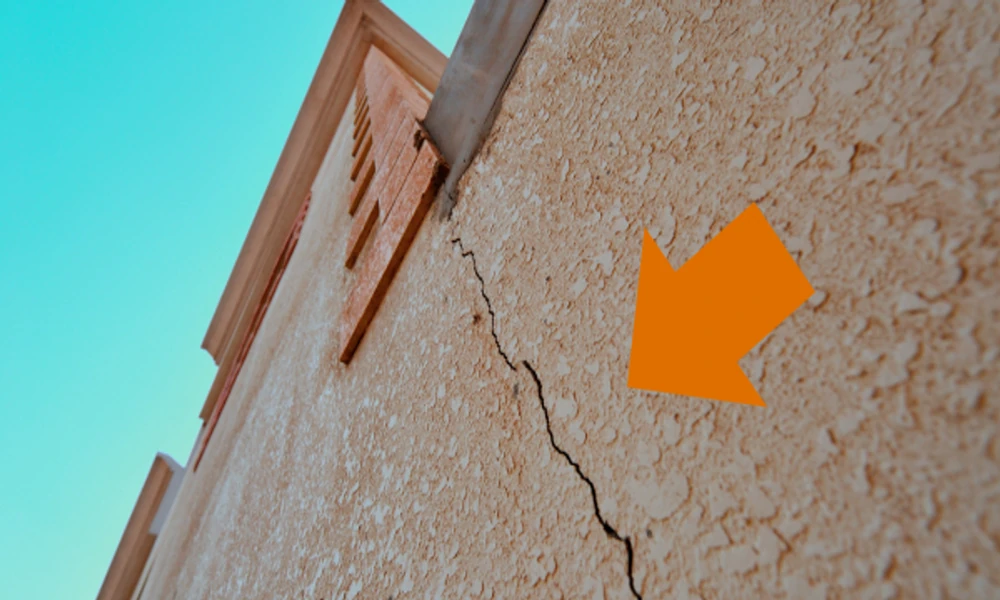
Almost every house around Houston has a story about its foundation. A neighbor swears by soaker hoses. A relative insists any crack means trouble. A listing agent says the slab was fixed years ago, so there is nothing to worry about. Some of this advice holds up. Much of it does not, and acting on the wrong idea can waste money or let a real problem grow.
The gap between what people assume and what actually happens under a slab shows up constantly during inspections. Anyone researching foundation repair in Harris County will run into these beliefs early, often from well meaning friends. Specialists who have spent decades lifting and leveling homes on Gulf Coast clay tend to hear the same misconceptions again and again.
Sorting fact from folklore makes every later decision easier. Here are six beliefs worth questioning.
1. Every Crack Means the Foundation Is Failing
Concrete cracks. That is simply what it does. As a new slab cures, it loses water and shrinks slightly, which leaves thin hairline cracks across the surface. Most of them never grow and never matter.
Drywall cracks work the same way. Wood framing expands and contracts with humidity, and taped seams above doors and windows often show it first.
What deserves attention is change. A crack that widens over months, one side that sits higher than the other, or diagonal cracks that spread from the corners of openings tell a different story. So do doors that suddenly stick and windows that will not lock. One crack is a detail. A pattern is evidence.
2. Watering the Slab Will Fix Any Problem
Keeping soil moisture steady around a home is genuinely useful. Clay shrinks when it dries and swells when it gets wet, so evening out those swings during a long drought can reduce movement.
But water is prevention, not correction. Once part of a slab has dropped, soaking the ground will not lift it back. Too much water can even make things worse by swelling one side of the house more than the other or softening soil that was holding the slab up.
The goal is consistency. Moist soil all the way around beats a flooded corner next to a baked one.
3. The Ground Under Houston Stays Put Over Time
Most people assume the land itself is fixed and only the soil near the surface moves. In this region, the ground has actually dropped over the past century.
Heavy groundwater pumping compacted the silt and clay layers deep below the surface. The U.S. Geological Survey has recorded more than three and a half feet of subsidence at its Addicks monitoring station, and it notes that lower land can worsen flooding during heavy rain or hurricanes.
This regional sinking is broad and gradual, so it usually does not crack an individual house on its own. Its effects show up around the home instead. Yards that once drained well can start holding water, and pooled water near a slab feeds the clay movement that does cause damage. Homeowners curious about their own area can explore the USGS Houston subsidence map to see how water levels and land elevation have changed nearby.
4. A Good Repair Makes the House Perfectly Level
This one surprises many owners. Very few slabs were perfectly level even on the day they were poured, and older homes have often adjusted to their current shape over many years.
Experienced crews aim for practical improvement rather than a flawless reading. Forcing a settled slab all the way back to its original elevation can crack interior walls, pop tile and stress plumbing lines. Lifting slowly and stopping at a safe point protects the rest of the house.
Expect doors to swing better and floors to feel more even. Do not expect a laser level to read zero across the entire living room.
5. Deeper Piers Are Always the Better Choice
Depth helps, but it is not the only thing that matters. Pressed concrete pilings, steel piers and drilled concrete piers each have strengths. The right one depends on the soil profile, the weight of the home, how much it has moved and whether the movement is seasonal or ongoing.
A steel pier pushed to a very firm layer may be ideal for a heavy two story house with steady settlement. A lighter single story home with modest movement might be well served by pressed pilings at a lower cost. Pier spacing, placement under load bearing areas and how the slab is shimmed afterward often matter as much as the depth.
When comparing estimates, ask how many piers are planned, where they go and why. A thoughtful answer reveals more than any single number.
6. Once It Is Fixed, the Story Is Over
Repairs stabilize the parts of the slab that receive support. They do not change the clay under the rest of the house.
That is why follow up matters. Lifting a slab can shift buried plumbing, so many owners arrange a plumbing test afterward to confirm nothing started leaking. A hidden leak under a slab can saturate the soil and undo good work.
Drainage deserves another look as well. Gutters, downspout extensions and soil that slopes away from the walls all reduce the moisture swings that started the trouble. Large trees close to the house may need root barriers.
Paperwork matters too. Keep the repair report, the pier layout and any warranty in a safe place. Many warranties can transfer to a new owner, and buyers increasingly ask for these documents during a sale.
Clearer Thinking Beneath the Floor
Foundations on Gulf Coast clay move for understandable reasons. Soil moisture, drainage, plumbing and even the slow sinking of the region itself all play a part. When homeowners understand those forces, they ask better questions and spot real warning signs sooner.
The most useful habit is simple attention. Notice what changes, keep notes and photos, and treat rumors with healthy doubt. A house that is watched carefully rarely surprises its owner, and when work is needed, that history helps any inspector see the full picture quickly.